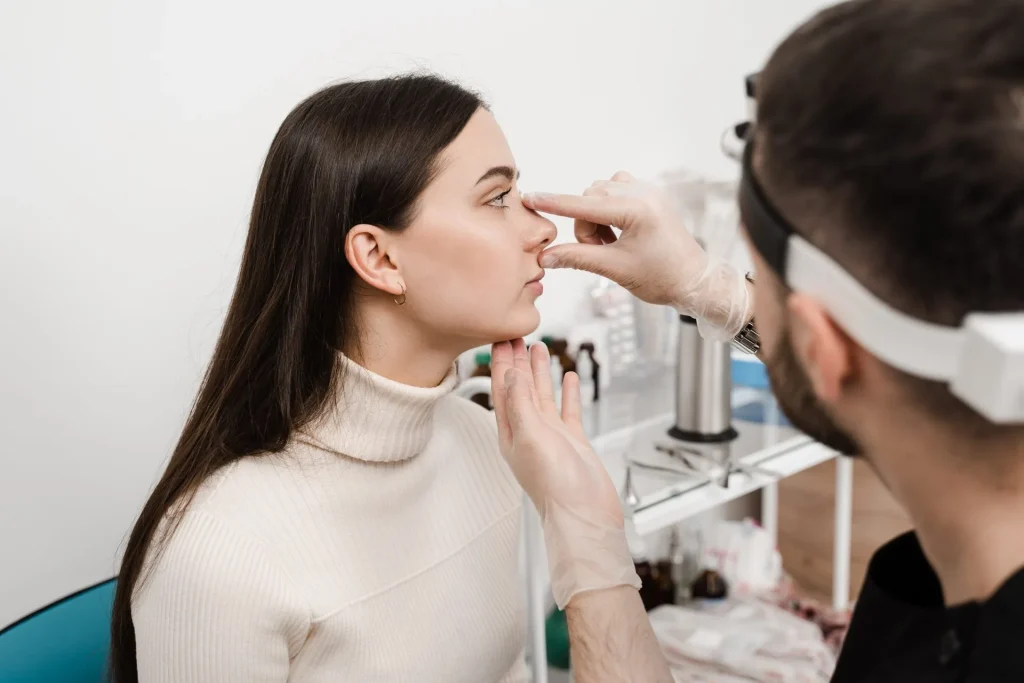
The world of nasal surgery encompasses several specialized approaches, each designed to address specific needs and preserve individual characteristics. Before choosing between ethnic, male, or female rhinoplasty techniques, you need to understand the fundamental types of procedures available and how they might work together to achieve your goals.
Cosmetic rhinoplasty focuses purely on enhancing your appearance – refining your profile, reducing a dorsal hump, narrowing the nasal tip, or adjusting nostril width. These procedures aim to boost confidence and help you feel more comfortable with your facial appearance without necessarily addressing breathing issues. Your aesthetic goals drive every decision in cosmetic procedures, from the angle of your nasal tip to the width of your bridge.
Functional rhinoplasty corrects structural problems that impair nasal airflow and breathing. This might include repairing a deviated septum, addressing collapsed nasal valves, or correcting other internal abnormalities that cause breathing difficulties. Many patients benefit from combining both approaches, allowing them to address functional concerns while simultaneously achieving their desired aesthetic. When functional concerns are present, they should be prioritized to ensure not just a beautiful result, but a nose that works properly.
Open rhinoplasty involves a small incision across the columella (the tissue between your nostrils), allowing the surgeon to lift the skin and access the underlying nasal structures directly. This approach provides maximum visibility and precision, particularly for complex cases requiring extensive reshaping. The technique is especially useful when working with challenging nose shapes or when performing revision procedures.
4. Closed Rhinoplasty as an Alternative Approach
Closed rhinoplasty keeps all incisions inside the nostrils, leaving no external scarring. While this technique typically results in less swelling and faster recovery time, it limits the surgeon’s visibility and is generally reserved for less complex modifications. Your surgeon will recommend the most appropriate technique based on your specific anatomy and surgical goals.
Ethnic rhinoplasty represents a paradigm shift in plastic surgery, moving away from outdated ideals of universal beauty toward celebrating diversity. This specialized approach recognizes that different ethnic backgrounds come with distinct nasal characteristics – and that preserving these features while making refinements is not just possible but essential.
African, Asian, Middle Eastern, Hispanic, and other ethnic groups often have nasal structures that differ significantly from each other.
The goal of ethnic rhinoplasty isn’t to erase your cultural identity but to enhance your natural features. A skilled facial plastic surgeon with experience in ethnic rhinoplasty understands the importance of preserving skin thickness variations, maintaining appropriate nostril shape, and avoiding the “operated” look that results from using one-size-fits-all techniques.
Masculinity and femininity manifest differently in facial features, and the nose plays a crucial role in these distinctions. Male and female rhinoplasty require different approaches to achieve natural, harmonious results that complement each patient’s overall facial structure.
Gender diversity also matters in rhinoplasty. Transgender and non-binary patients may seek changes that align with their gender identity, requiring surgeons who understand the nuances of gender-affirming procedures.
Your nose doesn’t exist in isolation – it’s the centerpiece of your face, interacting with your eyes, cheeks, lips, and chin. Choosing among various rhinoplasty options requires analyzing these relationships and understanding how changes to your nose will affect your overall appearance.
A skilled surgeon evaluates facial proportions using established aesthetic principles while remaining flexible enough to accommodate individual preferences. They’ll consider your nasal width relative to your facial width, the projection of your nasal tip compared to your lip position, and how your nose relates to your chin profile.
During consultations, surgeons often use computer imaging to show potential outcomes. While these simulations aren’t guarantees, they facilitate communication and ensure you and your surgeon share the same vision.
Recovery time varies depending on whether you undergo open or closed rhinoplasty, the extent of modifications, and your individual healing capacity. Most patients return to work within 1-2 weeks, though complete healing can take up to a year. Understanding the recovery timeline helps you plan appropriately and set realistic expectations for your plastic surgery journey.
Initial swelling subsides within a few weeks, but subtle refinements continue as your nose settles into its final shape. Following post-operative instructions carefully – including keeping your head elevated, avoiding strenuous activity, and protecting your nose from impact – significantly influences your outcome.
Sometimes, initial rhinoplasty doesn’t achieve desired results, whether due to healing complications, surgical errors, or simply outcomes that don’t match expectations. Revision rhinoplasty corrects problems from previous nasal surgery, though it’s technically more challenging than primary procedures.
Revision surgery requires exceptional skills because the nasal structure has already been altered, scar tissue has formed, and cartilage may be depleted. Success rates are lower, and recovery time is typically longer. However, for patients living with breathing problems or aesthetic concerns from previous surgery, revision offers a path toward improvement. Working with a facial plastic surgeon who specializes in revision cases increases your chances of achieving satisfactory results.
Selecting the right rhinoplasty approach and surgeon requires thorough research. Ask potential surgeons about their experience with your specific ethnicity and gender. Request before-and-after photos of patients with similar facial features and goals. Inquire about their preferred surgical techniques and why they recommend particular approaches for your case.
Understand the realistic outcomes, potential risks, and expected recovery process. Discuss how the surgeon balances functional concerns with cosmetic improvements if you need both. Ask about their revision rate and how they handle complications.
Rhinoplasty remains one of the most complex and individualized procedures in plastic surgery. The best results come from surgeons who see beyond textbook ideals and recognize the beautiful diversity of human faces. Whether you’re seeking ethnic rhinoplasty that honors your heritage, gender-specific techniques that complement your features, or a combination approach addressing both form and function, the right surgeon will listen carefully, plan thoughtfully, and execute skillfully.
Your nose is central to your identity and your face’s unique character. The decision to pursue a nose job deserves careful consideration, thorough research, and partnership with a surgeon who respects your individual goals and facial anatomy. When these elements align, rhinoplasty can be truly transformative – not by making you look like someone else, but by helping you look like the best version of yourself.
Choosing the right type of rhinoplasty requires careful evaluation of multiple factors that will determine your outcome. During your consultation, your surgeon will review your medical history, assess the current appearance of your nose, and discuss whether you’re experiencing difficulty breathing or other functional issues. They’ll explain various rhinoplasty techniques available, from traditional bone reshaping to cartilage grafts for structural support, and help you decide which specific changes will best achieve facial harmony. If you’ve had previous rhinoplasty, secondary rhinoplasty presents unique challenges that require even greater skills, though advancements in nose surgery have made corrective treatment increasingly successful.
Understanding the different types of procedures helps you make the right choice for your situation. Some patients need septoplasty combined with their rhinoplasty procedure to address both aesthetic and functional concerns, while others seek purely cosmetic adjustments like correcting an upturned tip or refining their profile. The complexity of your case affects everything from surgical technique to recovery – some minor refinements offer minimal downtime, while extensive reconstruction requires longer healing periods. Your surgeon will help you develop realistic expectations, ensuring you know exactly what the rhinoplasty procedure can and cannot achieve.
Ultimately, nose surgery remains one of the most transformative procedures in facial plastic surgery when performed correctly. Whether you need structural support with cartilage grafts, functional treatment for breathing problems, or aesthetic refinements to enhance your appearance, the key is to find a surgeon who understands your unique anatomy and goals. Take time to research, ask questions, and ensure you feel entirely comfortable with your decision. When you choose the right surgeon and the right approach, rhinoplasty can enhance not just the appearance of your nose, but your confidence and quality of life for years to come.