To achieve the best possible results after rhinoplasty, it is crucial to understand what’s “normal” during healing, follow your surgeon’s post-op instructions closely, and know which symptoms require prompt medical attention.
So, what are the side effects of rhinoplasty? They are typically temporary changes, such as swelling, bruising, congestion, and mild discomfort, with most resolving as you heal, while some may require attention if they persist or worsen.
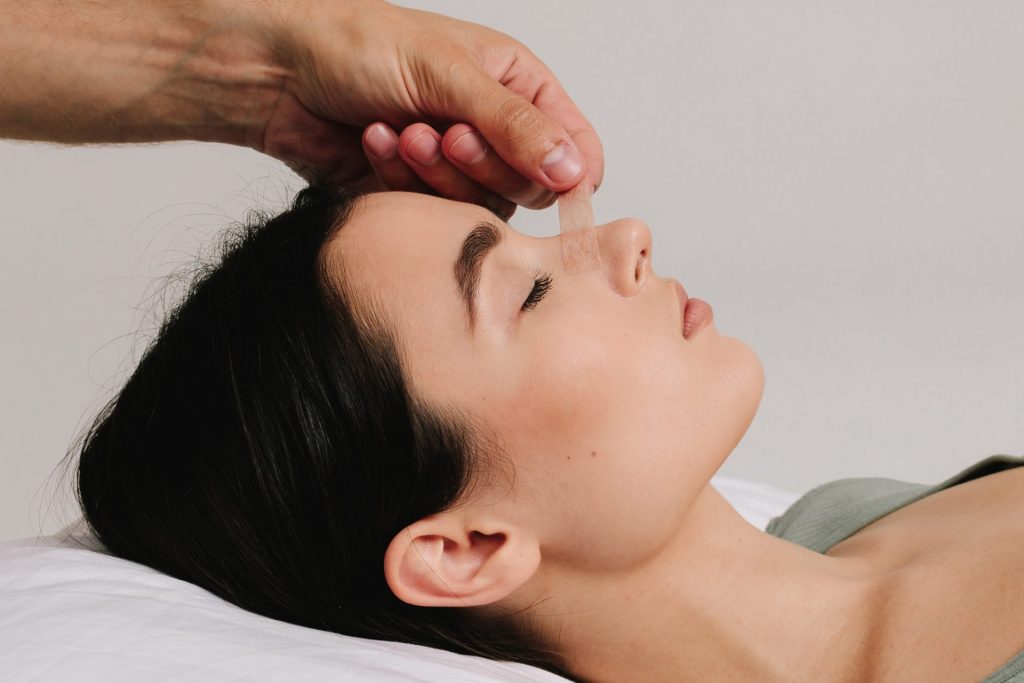
Rhinoplasty is a type of nasal surgery designed to change the nose’s appearance, function, or both. Patients typically seek rhinoplasty for reasons that fall into a few broad categories:
Cosmetic refinement, such as smoothing a dorsal hump, adjusting tip shape, or improving overall balance
Functional improvement, such as addressing structural causes of nasal obstruction
Post-injury concerns, such as changes after trauma (for example, a broken nose)
Anatomy-specific goals, including considerations often discussed in ethnic rhinoplasty and thick-skin nasal anatomy
Our board-certified maxillofacial surgeon, Dr. Shahrouz Zarrabi, offers a range of rhinoplasty approaches and focuses, including ultrasonic/piezo techniques discussed on the practice site.
These are among the most common, expected post-rhinoplasty effects. They vary in intensity based on your anatomy, the surgical plan, and individual healing.
Swelling (internal and external)
Almost everyone experiences swelling, and it often lasts longer than expected, especially at the tip.
Swelling can fluctuate (often worse in the morning or after activity).
Bruising
Bruising is common, especially around the lower eyelids and cheeks.
Not everyone bruises the same amount, and bruising typically fades before swelling fully resolves.
Nasal congestion / “stuffy” feeling
Congestion is extremely common early on due to internal swelling and healing tissue.
Many people describe it as having a persistent cold (without the infection).
Mild bleeding or blood-tinged drainage
Light oozing or blood-tinged mucus can occur early in recovery.
Significant bleeding is not “normal” and should be addressed promptly (see “When to Seek Medical Help”).
Tenderness, pressure, or aching
Soreness often feels like pressure across the nose/upper lip/cheeks.
Discomfort tends to improve steadily in the first week or two.
Temporary numbness or altered sensation
The tip or bridge can feel numb, stiff, or “different,” especially in the early phases.
Sensation usually improves gradually as nerves recover.
Fatigue and sleep disruption
Anesthesia, healing demands, and sleeping elevated can contribute to fatigue.
Many patients feel more tired than expected for the first 1–2 weeks.
Infection
Infection is not common, but it can happen with any surgery.
It may present as increasing redness, worsening pain, fever, foul odor, or unusual drainage.
Excessive bleeding
Small amounts of spotting can be normal early on.
Persistent or heavy bleeding is a red flag.
Poor or delayed wound healing
Healing can be slowed by factors like nicotine exposure, certain medical conditions, or not following post-op restrictions.
Scarring concerns
Any incision can scar. In open rhinoplasty, a small incision is typically placed at the columella (the strip of tissue between the nostrils).
Most scars heal well, but scar quality varies by individual.
Asymmetry or contour irregularities
No face is perfectly symmetrical, and swelling can exaggerate asymmetry early on.
True contour issues generally can’t be judged until later in healing.
A key safety principle: many “worries” in the first few weeks (uneven swelling, firmness, uneven nostril shape) are often normal healing patterns, not permanent outcomes. The challenge is knowing when something is typical versus concerning, which is why follow-up care matters.
Because the nose is both a cosmetic and functional structure, some side effects affect airflow and sensation.
Breathing changes
Early breathing difficulty is common due to swelling inside the nose.
As swelling improves, breathing often improves too.
Persistent obstruction can be due to internal swelling that takes longer to resolve or to structural issues that require evaluation.
Smell changes
A reduced sense of smell can occur temporarily due to congestion and swelling.
In most cases, smell improves as airflow and internal healing progress.
Temporary crusting can occur as internal tissues heal.
Dryness may be more noticeable in dry climates or with indoor heating/air conditioning.
If functional improvement is a primary goal, some patients explore options like septorhinoplasty or functional approaches (depending on individual evaluation). If grafts are used, possible issues can include:
Visibility or palpability (a graft edge that can be seen or felt, especially in thin skin)
Shift or warping (cartilage can change subtly as it heals)
Asymmetry (sometimes related to swelling; sometimes structural)
Healing differences (scar tissue formation varies between patients)
Not every rhinoplasty uses grafting, and whether grafting is needed is typically discussed during consultation and planning.
Rhinoplasty recovery isn’t only physical. Emotional ups and downs are common, especially because swelling can temporarily distort the nose, and results evolve slowly.
Common experiences include:
Anxiety during the “in-between” phase, when swelling is prominent
Temporary disappointment or uncertainty when the nose looks “bigger” before it looks refined
Increased self-consciousness during visible recovery (cast, bruising, swelling)
Frustration with the slow pace of tip definition
A practical safety tip: prepare mentally for a gradual reveal. Many patients benefit from planning time away from major social events and giving themselves space to heal without constant self-critique.
This section focuses on shape-related problems that can occur after rhinoplasty.
Postoperative nasal concerns typically fall into a few categories:
Bridge irregularities
Small bumps or unevenness along the bridge can be related to swelling, scar tissue, or bone/cartilage contour.
Early bridge “bumps” may soften as swelling resolves.
Tip changes
Tip asymmetry or a tip that looks too round early on can be influenced by swelling (particularly in thicker skin).
Tip definition often improves slowly.
Nostril (alar) asymmetry
It’s common for swelling to be uneven side-to-side.
Minor asymmetry early on can be normal; persistent asymmetry needs evaluation.
Over- or under-correction
If the change is more or less than desired, it may reflect planning, healing, or tissue response.
Judging final refinement too early can be misleading.
Scar tissue effects
Internal scar tissue can influence contour and airflow.
Scar formation varies greatly by individual.
Structural support concerns
If the nasal framework is not adequately supported (or if tissues heal unpredictably), shape or function can be affected.
It’s crucial not to “diagnose” deformities based on early healing. In many cases, what looks like a contour problem at week 2–6 is swelling, stiffness, or temporary asymmetry.
Sometimes multiple issues occur together – for example, a shape concern paired with functional symptoms. Prevention generally centers on:
Appropriate patient selection (your anatomy, skin thickness, goals, and health history matter)
Clear communication about goals and limitations
Following restrictions (avoiding pressure, trauma, and early strenuous activity)
Attending follow-ups to monitor healing and address issues early
At our practice, patient compliance is emphasized because missing post-op appointments can affect healing and compromise results.
Pain and visible recovery effects are often the most immediate concerns – and also the easiest to plan for.
Most patients describe rhinoplasty discomfort as pressure, congestion, and soreness rather than sharp pain. You may feel:
Tightness across the bridge
Tenderness around the tip
Upper lip stiffness
Headache-like pressure (especially with congestion)
Discomfort is typically most noticeable in the first several days and then improves. Pain tolerance varies, and your surgeon will guide you on appropriate medication.
Swelling and bruising don’t follow a perfectly linear path. A general pattern many patients experience:
First week: swelling is pronounced; bruising may peak early
Weeks 2–4: visible bruising often fades; swelling persists, especially at the tip
Months 2–6: refinement continues; tip definition gradually improves
Up to 12 months (and sometimes longer): final subtle changes settle in
Your skin thickness and anatomy influence how quickly definition appears. For example, thick skin commonly holds swelling longer.
Some temporary symptoms are common but can be surprising:
Dry lips and mouth (especially if you breathe through your mouth due to congestion)
Throat irritation (often from dryness or post-nasal drainage)
Sneezing sensitivity
Mild changes in voice resonance (usually temporary)
Skin sensitivity from tape or cleansing
Practical ways patients often manage typical symptoms (following surgeon-specific instructions):
Elevate your head when sleeping to help reduce swelling
Use cold compresses if recommended (often helpful early for bruising)
Stay hydrated to support healing and reduce dryness
Avoid heat exposure (hot yoga, saunas) early on if restricted
Protect your nose from pressure and accidental bumps
A critical point: “doing more” isn’t always better.
Healing after rhinoplasty is often described in two stages: the visible recovery (days to weeks) and the refinement phase (months).
While every patient is unique, here’s a general recovery framework:
Days 1–3
Swelling and congestion are typically at their worst
Fatigue is common
You may have mild bleeding or drainage
Days 4–7
Many people start to feel more comfortable
Bruising may still be visible
Congestion often persists
Weeks 2–3
Visible bruising often improves significantly
Many patients feel more “socially presentable,” though swelling remains
Weeks 4–6
Activity restrictions may gradually ease based on surgeon guidance
The nose can still feel stiff, especially at the tip
Months 2–6
Continued refinement, especially tip definition
Swelling gradually becomes more subtle
Up to 12 months (and beyond in some cases)
Final shape stabilizes
Subtle changes continue as tissues mature
Because rhinoplasty is highly individualized, your surgeon’s guidance and your follow-up schedule should be treated as the most reliable roadmap.
You can’t force tissue healing, but you can create conditions that support it.
Rhinoplasty results depend on both surgical planning and how the tissues heal. Patient compliance helps reduce preventable problems such as:
Prolonged swelling from early workouts or heat exposure
Bleeding from medications or supplements not cleared by your surgeon
Shifts or trauma from accidental pressure
Delayed healing from nicotine exposure
Dr. Zarrabi offers 3D imaging to achieve the best possible results.
Knowing what’s normal is reassuring; knowing what’s not normal is essential for safety.
Contact your surgeon promptly if you notice:
Increasing redness, warmth, or swelling that feels worse instead of better
Fever or chills
Foul-smelling drainage or pus-like discharge
Worsening pain that doesn’t respond to prescribed medication
Bleeding that is heavy, persistent, or sudden after it had improved
One-sided swelling that rapidly increases, especially with significant pain
Seek urgent/emergency medical attention if you experience:
Trouble breathing not explained by expected congestion
Chest pain, severe shortness of breath, or fainting
Severe, uncontrolled bleeding
Signs of an allergic reaction (such as swelling of the face/throat or difficulty breathing)
Severe headache with neurologic symptoms (confusion, weakness, vision changes)
Even if you’re unsure, it’s safer to ask. Early evaluation can prevent small issues from becoming larger ones.
Long-term satisfaction typically comes from pairing realistic expectations with careful healing and follow-up.
Potential longer-term concerns may include:
Persistent swelling (often subtle, most noticeable at the tip)
Ongoing stiffness or altered sensation
Visible or palpable irregularities
Breathing concerns if internal healing or structure affects airflow
Scar maturity changes (scars can continue to soften and fade over time)
Not all long-term concerns require intervention. Some simply require time and observation as healing progresses.
One of the most important “safety tips” is expectation management because rhinoplasty outcomes are influenced by anatomy and tissue behavior, not just aesthetic goals.
Helpful mindset shifts:
Think in terms of improvement and balance, not perfection
Expect the nose to look different at different stages
Understand that swelling can hide refinement for months
Recognize that photos can exaggerate early asymmetry (lighting and angles matter)
If you’re exploring rhinoplasty options and want to read about different aesthetic goals and anatomy types, you can start with a rhinoplasty consultation with Dr. Zarrabi.
So, what are the side effects of rhinoplasty? They are mostly temporary and manageable with proper care. By protecting your nose during recovery, following post-op instructions closely, and keeping scheduled follow-ups, you can support safer healing and more predictable long-term refinement.