Nose swelling after rhinoplasty is a normal part of healing, not a sign that surgery failed. After Dr. Zarrabi performs a rhinoplasty, fluid builds in the skin and soft tissue as the nasal bones and cartilage are reshaped. Most visible puffiness fades over the first few weeks, but deeper residual swelling can linger for many months – especially at the tip and in thicker skin.
Swelling is the body’s expected response to surgery. Blood flow increases, fluid collects, and the skin stretches over a new framework. The amount and duration of swelling vary by skin thickness, the areas treated, and how closely you follow aftercare.
Any surgery initiates a natural healing cascade. When bone, cartilage, and soft tissue are reshaped, the body sends inflammatory cells and fluids to the area – a process that is essential for repair.
The nose has a rich blood supply and thin spaces where fluid can pool; vessels leak plasma into the tissues
Lymphatic channels that normally drain fluid are temporarily disrupted
Gravity pulls remaining fluid toward the tip, so the lower third often stays puffy longer than the bridge
Patients with thick skin often hold fluid longer because thicker skin is heavier and slower to shrink-wrap
Dr. Zarrabi uses a less invasive piezo ultrasonic rhinoplasty approach that shapes bone with high-frequency sound waves and precise vibration rather than traditional rasps and osteotomes. Less trauma to nearby soft tissue can mean a more controlled recovery, but some tissue trauma is unavoidable, and swelling remains part of the healing journey.
There is no single number. Duration depends on the techniques used, the complexity of the procedure, skin thickness, ethnic nasal anatomy, and your individual healing capacity.
Visible swelling drops a great deal in the first 14 days; many people feel comfortable in public after the cast comes off and the bruising fades
About 80% of swelling resolves within the first 2–3 months
The remaining 20% – much more subtle – gradually disappears over the following 6 to 12 months
The nasal tip is always last to show final definition because the skin and underlying tissues are thickest there
Use this timeline as a guide, not a stopwatch. Your calendar may run a little faster or slower.
This is the most dramatic phase. The nose is protected by a cast and possibly internal splints, so you cannot see the full shape.
The nose feels stuffed, heavy, tender, and congested, and looks significantly larger than its final shape
Puffiness commonly extends to the cheeks, lips, and under the eyes, often with bruising
Sleep with your head elevated; cold compresses on the cheeks – not directly on the nose – can ease discomfort in this window only
Do not remove the cast early
Bruising often peaks, then starts to yellow and fade. You will return for your first post-operative appointment, where the cast is typically removed.
The first glimpse of your new nose is exciting but strange; the bridge will appear wide, and the tip rounded and elevated
Skin that was pressed under a splint rebounds with fluid – that first look is not the result
Most socially obvious swelling and bruising recede.
The nose still feels firm and looks somewhat puffy, especially on the sides and tip in certain lighting
The skin can feel numb or stiff, and smiling may tug in a new way
Light walking is usually fine; bending, heavy lifting, and salty meals can send a surge of fluid back into the nose
What you see in the mirror at three weeks is not the final result
The bridge and middle third often look closer to the intended line. Definition starts to return, but the tip still lags and may feel stiff and numb.
Morning puffiness is common; it improves as you stay upright through the day
If taping was recommended, this is often when it still helps the skin drape more evenly
A large percentage of swelling has now resolved. The nose is looking much closer to the outcome you and Dr. Zarrabi discussed, even though subtle refinement is still occurring beneath the surface.
Contours are more defined, the tip has started to soften, drop, and settle, and the overall size is visibly smaller
Asymmetry that worried you at week two often softens as leftover fluid leaves unevenly at first, then evens out
Thick skin still hides some of the new structure
By six months, a large share of swelling is gone. Between six and twelve months, the last 10–15% of fluid thins and the skin “shrink-wraps” over the new cartilage and bone.
Most fullness follows a predictable pattern. A smaller set of changes should prompt a call to your doctor rather than more waiting.
Cool or only slightly warm, with a gradual, steady decrease over weeks and months
Worse in the morning and improving throughout the day
Skin color returning toward your usual tone
Initial firmness – especially at the tip, like a padded structure rather than a water-balloon mass – that slowly softens
Mild stuffiness; numbness or altered sensation in the tip that gradually returns
One side can look a little more swollen than the other for a while because fluid does not leave both sides on the same schedule
A sudden, significant increase in swelling after it had been improving
Swelling much more pronounced on one side, or a growing firm bulge that does not match the rest of the nose
Severe or escalating pain not managed by prescribed medication; one area that becomes sharply painful, hot, or red
Redness, warmth, or heat emanating from the nose
Fever, chills, foul-smelling drainage, or green or yellow pus from the nostrils
A spreading rash, or trouble breathing that is getting worse
A sudden change after a bump or fall
If you experience any of these concerning signs, contact your doctor immediately.
You cannot force a 12-month process into two weeks. You can avoid habits that keep fluid around longer.
This is the single most important factor for a smooth recovery. Dr. Zarrabi provides detailed, personalized instructions regarding activity levels, head elevation, and nasal care.
Keep the cast dry and in place until you are told it can come off
Take medicines as directed and attend every post-op visit
If something feels off between visits, call 949-873-0807 rather than waiting and wondering
In the first 48–72 hours, applying cold compresses to your cheeks, forehead, and eyelids can help minimize bruising and initial swelling.
Never rest ice directly on the nose, nasal bones, or cast
After the early phase, cold no longer changes the deeper swelling and can irritate the skin
Switch your focus to elevation, salt control, and rest
Sodium causes your body to retain water, which can worsen swelling. Adopting a low-salt diet, especially in the first few weeks, can make a noticeable difference.
Restaurant meals, chips, canned soups, and sports drinks can puff the face and nose by the next morning
Drink water, choose simple home meals, and be extra careful in the first month
Alcohol can also widen vessels and worsen swelling, so it is usually restricted early on
Dr. Zarrabi may instruct you to tape your nose, particularly at night. Paper taping, when prescribed, supports the skin as it redrapes and can reduce morning fluid in the tip and supratip.
Apply tape only the way you were shown; too-tight tape or homemade methods can irritate skin and create more swelling
Checking the mirror every hour will not drain fluid faster
Above all, patience is your greatest tool
If a specific area of the tip or supratip stays padded after the early months, Dr. Zarrabi may recommend a small steroid injection to calm stubborn inflammation or early scar tissue.
This is a targeted, selective treatment – not routine for every patient – and is timed so it does not interfere with normal healing
It is only performed if deemed medically necessary, months into recovery
Do not seek injections elsewhere or request them at week two; too early or too frequent treatment can thin the skin
If you experience a sudden and dramatic increase in swelling – especially with severe pain – contact your doctor the same day. Do not wait for your next scheduled appointment.
Describe when it started, whether it is one-sided, and any pain, fever, or drainage
Keep your head elevated; avoid ibuprofen or other medicines not already approved for you
Do not try to press the swelling out; your doctor can decide whether you need to be seen between scheduled visits
These symptoms are rare but require urgent evaluation. Do not wait for a routine Friday or Wednesday clinic day.
Fever above 101°F (38.3°C)
Green or yellow pus-like drainage from the nostrils
Uncontrolled bleeding that does not slow with the method you were taught
Rapidly increasing pain and swelling, particularly on one side
Changes in your vision
Rapidly spreading facial swelling, high fever, shortness of breath, chest pain, sudden severe headache, or swelling of the lips and tongue
Swelling after rhinoplasty is a normal part of the healing process, and seeing puffiness in the weeks or even months after surgery does not mean your final result is not taking shape. Most swelling gradually resolves with time, proper aftercare, and patience, with the tip often requiring the longest to settle. Follow your surgeon’s instructions, protect your nose during recovery, and contact your doctor promptly if swelling suddenly worsens or is accompanied by significant pain, redness, fever, drainage, or other concerning symptoms. With a steady recovery and realistic expectations, the nose will continue to refine as the tissues heal and settle into their final form.
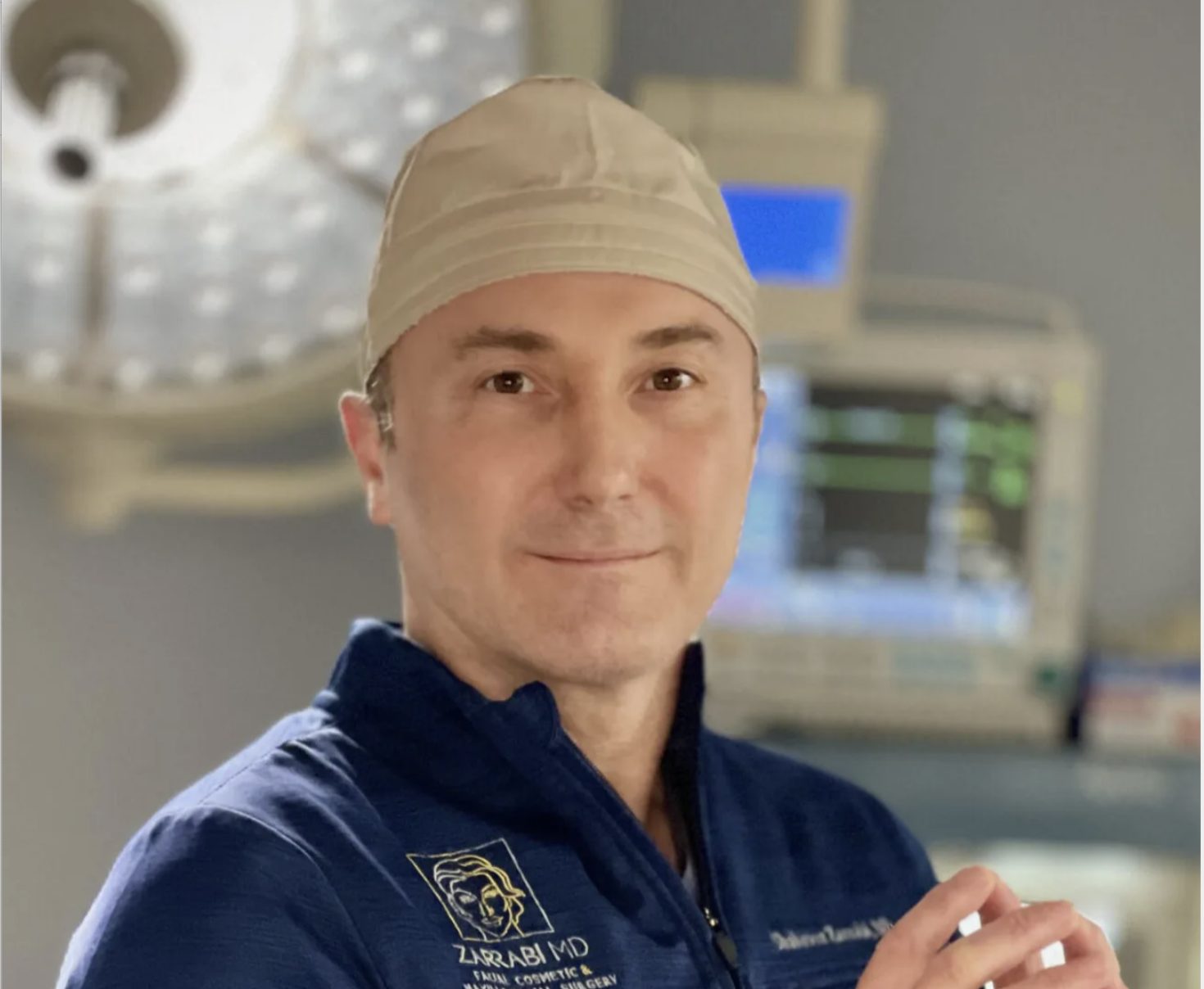
Dr. Zarrabi’s practice is a unique combination of art, science and cutting edge technology.
Dr. Zarrabi is a Board Certified Maxillofacial Surgeon and Diplomate of American Board of Oral and Maxillofacial Surgery. He is also an accomplished Sculptor Artist and he has created masterpieces for collections nationally and around the world.
Discover other insightful and engaging content from our blog