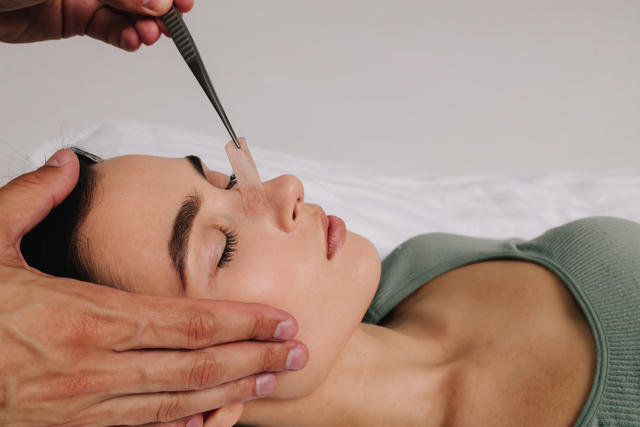
When considering rhinoplasty, the main difference between ultrasonic and traditional techniques lies in how surgeons reshape nasal bones. Traditional rhinoplasty relies on manual tools, such as surgical hammers and chisels (osteotomes), while ultrasonic rhinoplasty uses high-frequency sound waves via specialized piezoelectric technology for precise bone sculpting. This technological distinction leads to significant differences in surgical precision, patient recovery, and final aesthetic outcomes.
Traditional rhinoplasty is the classic method of nose surgery practiced for decades. In this procedure, the surgeon uses surgical instruments, including:
Osteotomes (small chisels)
Rasps
Surgical hammers
This process, known as an osteotomy, allows the surgeon to fracture nasal bones in a controlled manner to narrow the bridge, remove dorsal humps, or correct asymmetries. While effective in skilled hands, this technique requires significant force, which can cause splintering or uncontrolled fracture lines.
The forceful nature of bone manipulation often damages delicate blood vessels, cartilage, and soft tissues. As a result, patients typically experience significant post-operative swelling and bruising, particularly the characteristic “black eyes.”
Ultrasonic rhinoplasty, also known as piezo rhinoplasty, represents a major evolution in nasal surgery. Instead of manual tools, this technique employs a specialized piezoelectric device that generates high-frequency ultrasonic vibrations channeled through a micro-cutting tip.
The key advantage: the piezo device selectively acts on hard tissues (bone) while leaving soft tissues unharmed, including:
Cartilage
Mucous membranes
Skin
Blood vessels
Ultrasonic energy sculpts bone at precise points without causing forceful impact. This “less invasive” approach focuses on precision while minimizing tissue trauma. By preserving surrounding soft tissues, ultrasonic rhinoplasty offers a more refined approach to achieving desired nasal contours.
Understanding these key differences helps patients know what to expect from each procedure. The choice of technique directly impacts everything from surgical control to recovery experience.
The most significant difference is the level of precision achieved:
Traditional Rhinoplasty:
Relies on controlled force with the osteotome and hammer
Can result in unpredictable fractures or irregularities
Depends heavily on the surgeon’s tactile feedback
May require further refinement for asymmetries
Ultrasonic Rhinoplasty:
Allows bone shaving in fractions of a millimeter
Creates precise, clean cuts without splintering
Provides continuous visual assessment during adjustments
Particularly beneficial for complex cases like crooked noses, wide bridges, or dorsal humps
This enhanced control is especially valuable for ethnic rhinoplasty cases where preserving natural characteristics while making subtle refinements is crucial.
The trauma inflicted during bone reshaping directly affects post-operative side effects:
Traditional Rhinoplasty:
Significant bruising around the eyes (“black eyes”)
Extensive swelling from blood vessel damage
Trauma from forceful bone breaking
Ultrasonic Rhinoplasty:
Minimal to no bruising under the eyes
Dramatically reduced swelling
Preservation of blood vessels during the procedure
Because the piezo device doesn’t damage adjacent soft tissues, there’s substantially less bleeding during surgery, contributing to a more comfortable and discreet recovery.
Recovery differences between techniques are substantial:
Traditional Rhinoplasty:
Peak swelling during the first week
Residual swelling lasting several months
More discomfort in the initial days
Longer social downtime
Ultrasonic Rhinoplasty:
Swelling resolves more quickly
Patients feel comfortable sooner
Many return to work within 7-10 days
Faster return to social activities
The tools themselves define the surgical experience:
Traditional Rhinoplasty:
Time-tested manual instruments
Requires significant physical skill and force
Can lead to surgeon fatigue in lengthy procedures
No specialized electronic equipment needed
Ultrasonic Rhinoplasty:
Requires specialized training and technology investment
Provides consistent, controlled energy throughout surgery
Irrigates and cools the surgical site during bone work
Reduces thermal injury to tissues
Piezo technology can be combined with advanced 3D imaging and CT scans performed in-office, allowing meticulous pre-operative planning where exact bone modifications can be mapped out.
It’s important to clarify: “open” and “closed” refer to incision approaches, while “ultrasonic” refers to the tool used for bone work. These are not mutually exclusive categories.
Open Rhinoplasty: Small incision across the columella, providing direct visualization of the nasal structures. Often preferred for complex cases or significant tip work.
Closed Rhinoplasty: All incisions inside nostrils, no visible external scars. Works through smaller openings with less direct visibility.
Ultrasonic Application: Can be used in both open rhinoplasty and closed rhinoplasty procedures.
The decision to use ultrasonic tools focuses on achieving the most precise and least traumatic outcome possible.
Cost is a practical consideration when evaluating ultrasonic vs traditional rhinoplasty. Due to advanced technology and specialized training required, surgical fees for ultrasonic procedures may be higher.
At Zarrabi MD, we provide transparent, comprehensive pricing:
Primary rhinoplasty starts at $11,000
Final cost depends on procedure complexity and specific techniques required
Complimentary in-person consultation with Dr. Zarrabi
Financing available through Cherry and CareCredit
The investment in ultrasonic technology reflects a commitment to offering the most advanced surgical techniques available.
While “better” is subjective, ultrasonic rhinoplasty offers clear advantages:
Superior precision and control
Reduced bruising and swelling
Faster, more comfortable recovery
More predictable aesthetic results
Ultrasonic rhinoplasty offers a less invasive surgical experience. By reducing trauma, it delivers refined, natural results while minimizing downtime and discomfort.
Traditional techniques remain valuable in certain situations, and experienced surgeons can achieve excellent results with either approach. Some cases benefit from a hybrid approach, using ultrasonic technology for bone work while employing traditional techniques for cartilage reshaping.
Determining the right technique requires a comprehensive evaluation. Consider these factors:
Extent of bone work required
Skin thickness and healing characteristics
Aesthetic goals (dorsal hump, wide bridge, crooked appearance, bulbous tip)
Ethnic considerations and the desire to preserve cultural features
Recovery timeline and social commitments
During your consultation, your nasal anatomy, skin thickness, and bone structure will be carefully assessed, and your aesthetic goals discussed. In-office 3D imaging can help visualize potential outcomes and clarify whether an ultrasonic approach is recommended.
Our practice focuses exclusively on primary rhinoplasty, ensuring expertise dedicated to patients undergoing their first nasal surgery. This specialization provides the highest standard of care for this delicate procedure.
Ultrasonic rhinoplasty offers a leap forward in precision, allowing meticulous bone sculpting with minimal tissue trauma. While traditional rhinoplasty remains valid, the refined control and enhanced patient experience offered by piezo technology represent the modern frontier of nasal reshaping.
Ultimately, it is crucial to choose a skilled surgeon who can tailor the technique to your unique anatomy and goals. A personalized approach ensures not only aesthetic excellence but also a smoother recovery and long-term satisfaction with your results.
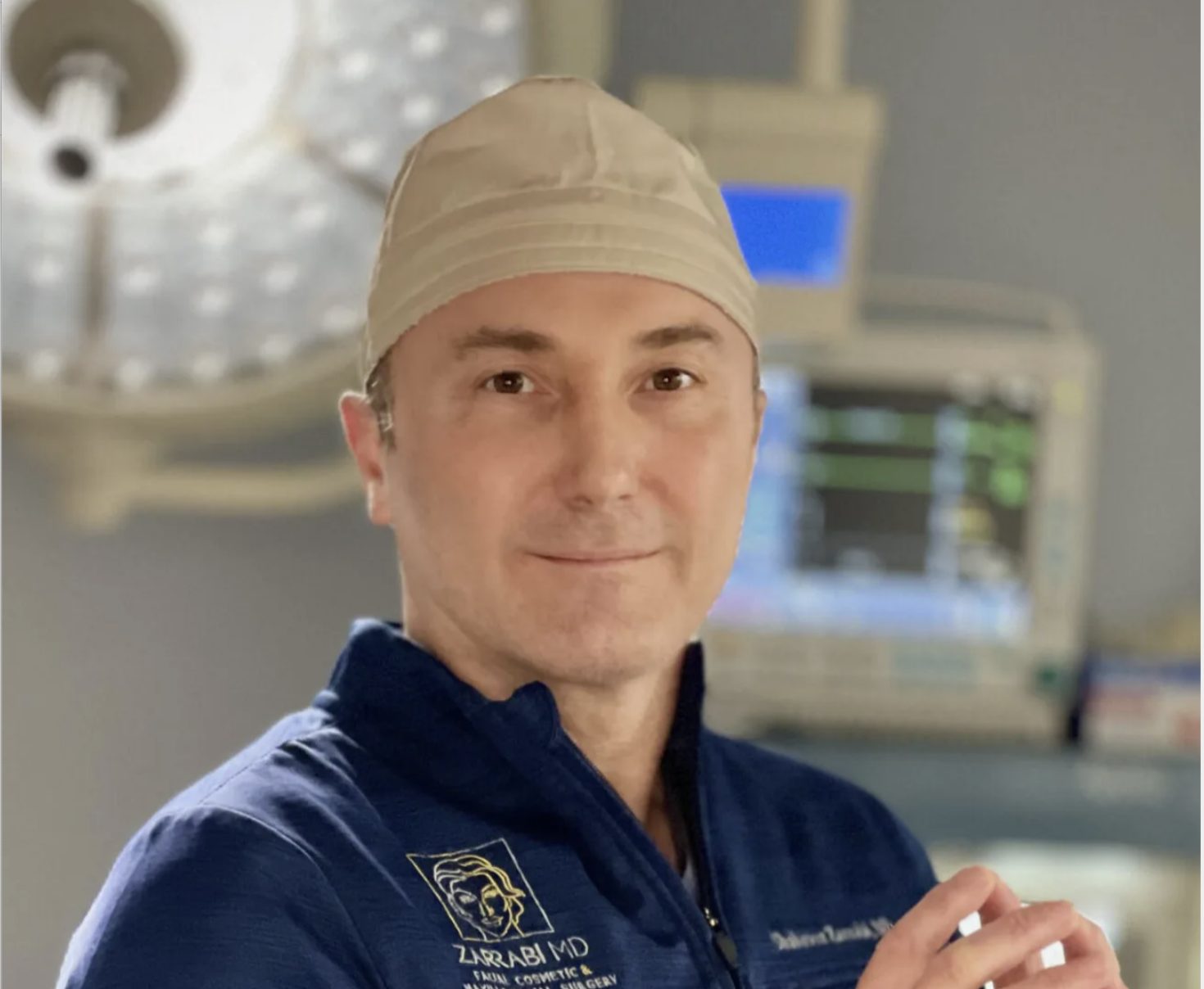
Dr. Zarrabi’s practice is a unique combination of art, science and cutting edge technology.
Dr. Zarrabi is a Board Certified Maxillofacial Surgeon and Diplomate of American Board of Oral and Maxillofacial Surgery. He is also an accomplished Sculptor Artist and he has created masterpieces for collections nationally and around the world.
Discover other insightful and engaging content from our blog