
To clear a blocked nose after rhinoplasty, follow Dr. Zarrabi’s instructions: use saline as directed, keep your head elevated, add humidity, avoid forceful actions, and never pick or blow your nose until cleared. Congestion is normal after surgery due to swelling, mucus, and temporary supports, but gentle care and patience are key to a comfortable recovery.
Rhinoplasty reshapes the bone and cartilage of the nose, whether for cosmetic enhancement, functional improvement, or both. The inside of the nose is a narrow corridor lined with soft tissue, so even a small amount of swelling can make the passage feel almost shut.
Managing congestion is not about forcefully clearing your nose. Think “soften and wait,” not “force and empty.” The following are general guidelines that support this process.
The first few days are about minimizing swelling and letting your body begin healing without interruption. Stay ahead of swelling from hour one.
Ice or cold compresses go on the cheeks, never directly on the nasal bones or the cast, unless you were shown a different method
Keep the upper body elevated even for short naps
Take pain medicine on the schedule you were given so you are not tossing, straining, or holding your breath
Avoid vigorous physical activity – strain raises pressure in the face and can start a nosebleed that then crusts and blocks you again
Drink water; dry lining makes thicker mucus
Avoid steam tents, boiling-water bowls, and essential-oil inhalers in the first days – heat and strong oils irritate raw tissue
A cool-mist humidifier near the bed is enough
Only use what Dr. Zarrabi listed for you. That list is personal. A typical plan may include a pain reliever, an antibiotic if prescribed, and later a saline spray.
Some patients later use a steroid nasal spray to calm lining swelling, but that starts only when the surgeon says the inside is ready. Do not add a pharmacy “sinus” mix because the box promises faster breathing. Many of those mixes hide decongestants or antihistamines you were not meant to take yet.
If you already use allergy medicine, ask before you restart it. Seasonal allergies can swell the same lining that just had surgery. Treating them can help airflow, but the timing and the product matter.
It is critically important to avoid anything that can thin your blood or cause rebound swelling. Always provide Dr. Zarrabi with a full list of your current medications and supplements before surgery.
Aspirin
Ibuprofen (Advil, Motrin)
Naproxen (Aleve)
Certain herbal supplements: fish oil, vitamin E, ginkgo biloba, and garlic supplements
Leftover oxymetazoline or phenylephrine sprays, unless you were given a short, exact course – these can shrink the lining for a few hours and then cause rebound swelling that feels worse than the original block
Alcohol in the early recovery window; it widens blood vessels and adds swelling
Unapproved “natural” blood-thinning supplements
Avoid blood-thinning medications and supplements for at least two weeks before and after surgery, unless cleared by your surgeon. When in doubt, call our office at 949-873-0807 before taking anything new.
These simple, non-invasive techniques are the cornerstones of managing post-rhinoplasty congestion. None of these steps should hurt. If a step stings sharply or starts bright red bleeding, stop and wait for guidance.
Saline spray: A fine mist of sterile saltwater that moisturizes the lining, loosens soft crusts, and keeps the nasal lining from drying out. This is usually the first type of rinse you will be cleared to use.
Saline rinse (or irrigation): A higher-volume, low-pressure flow of saline (using a squeeze bottle or Neti pot) that flushes out mucus, crusts, and debris. After rhinoplasty, a full rinse can push water – and pressure – against fresh suture lines, grafts, or a newly set septum.
That is why rinses wait until you are cleared. When you are allowed a rinse, use only the device and the salt mix you were told to use, and let gravity help. Do not squeeze hard.
Keeping your head elevated above your heart is one of the most effective ways to reduce swelling and, therefore, congestion. Gravity helps drain fluid away from your face.
For the first 1–2 weeks, sleep on your back with your head propped up on two or three pillows, a wedge, or a recliner
Avoid sleeping on your side or stomach; side sleeping can press one nostril closed and shift swelling, and stomach sleeping puts weight on the nose
If you roll in your sleep, a small pillow under each arm can make back-sleeping more stable
Dry air, air conditioning, and heater vents all thicken mucus. Dry air can lead to thicker mucus and more uncomfortable crusting, especially since you will be mouth-breathing.
Humidifier: A cool-mist humidifier adds moisture to the air and helps prevent hard scabs. Clean the tank every day so you are not breathing mineral film or mold. Distilled water helps if your tap water leaves white dust.
Air purifier: If you have allergies, an air purifier can help remove dust, pollen, and pet dander that could trigger additional inflammation and swell the turbinates. Place it so it does not blow a hard stream straight at your face.
In the first week, your hygiene routine will be very limited. Hygiene here means moisture and light surface care, not digging.
Wash your hands first
You may be instructed to gently dab the outside of your nostrils with a clean, damp cloth or gauze if there is minor leakage
If you were shown how, clean only the edge of the nostril with a cotton swab dampened in saline or the ointment you were given
Stay at the rim
Do not insert anything into your nose
Soften, do not scrape
While you cannot force air through a blocked nose, practicing calm, deep mouth-breathing can help reduce anxiety. Stress can tense muscles and make the sensation of being unable to breathe feel worse.
Breathe slowly through the mouth with relaxed shoulders
Purse the lips slightly if you feel short of air; that steadies the breath without a hard nasal sniff
Do not try to “train” the nose with forced inhales – a hard sniff pulls crusts inward and can start bleeding
Once Dr. Zarrabi says the airway is stable, practice easy nasal breaths at rest: inhale gently through both sides, exhale through the mouth, and stop if you feel pressure in the tip or bridge
If one side still feels shut, that is information for your next visit, not a cue to press the side wall with a finger – finger pressure can move bones that are still setting
Think of cleaning as stages, not a single method from day one. Follow the timeline provided by Dr. Zarrabi precisely.
No. Before your cast and any splints are removed, you must not put anything inside your nose. The internal structures are extremely fragile, and any attempt to clean inside could cause bleeding or disrupt the healing tissues.
You can keep the skin around the nostrils clean
Gently dab the entrance of the nostrils if needed
If you were given ointment, apply a thin layer at the rim
Showers are fine if the cast stays dry – face the spray away from you or use a handheld head aimed at the body
Saline first, time second, hands never. After you are given the green light (usually after your first post-op visit), saline spray will be your primary tool.
Moisten: Use the saline spray as directed
Wait: Let the saline sit for a few minutes until the crust looks darker and softer
Gentle removal: A rim crust that lifts on its own onto a soft tissue can go. A crust that is still stuck stays
Generally, no. You should never insert a Q-tip or cotton swab deep into your nasal passages. This can damage delicate stitches, tear lining, cause bleeding, or push crusts further up the nose.
While congestion is normal, it is important to be vigilant for signs that something is wrong. Our team is here to support you throughout your recovery.
Contact our office if you experience:
Congestion that is suddenly and severely worsening instead of improving, or that steadily worsens after the first improvement
Complete blockage on one side accompanied by severe pain or pressure
A nostril that closed overnight after it had been open
Foul-smelling or discolored (yellow or green) nasal discharge, or a foul smell from one side
A fever, chills, or increasing redness
Bleeding that does not stop with gentle pressure
Any trauma, injury, or sudden change after a bump
Trouble swallowing blood, feeling faint, or breathing that feels hard even through the mouth
A blocked nose after surgery is a temporary but significant part of healing. To clear blocked nose after rhinoplasty, use saline as directed, sleep elevated, add humidity, avoid blowing or picking, stay hydrated, and take only approved medicines. Keep the cast on until it is removed for you, and attend all post-op visits at our practice for the airway and appearance outcome.
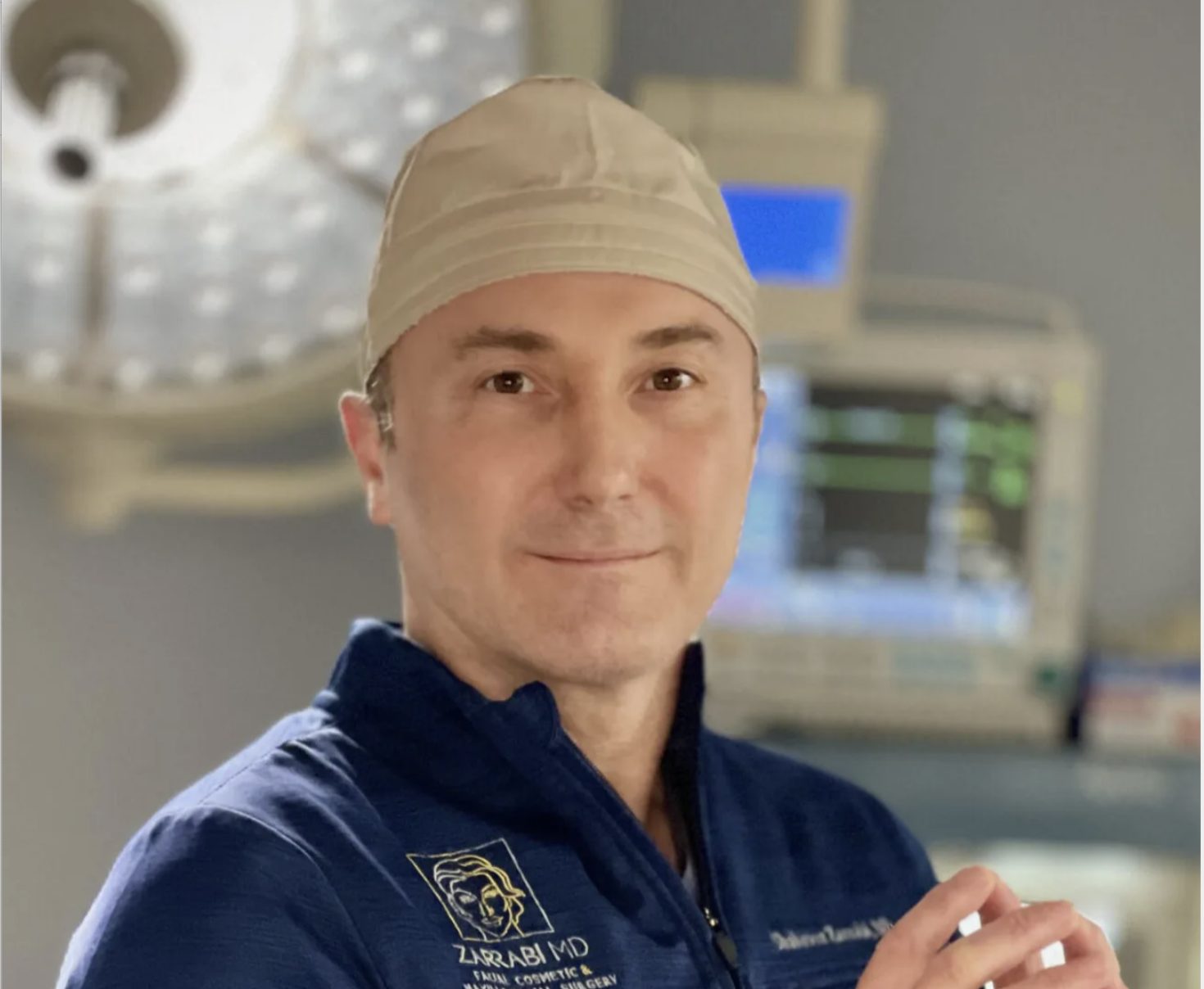
Dr. Zarrabi’s practice is a unique combination of art, science and cutting edge technology.
Dr. Zarrabi is a Board Certified Maxillofacial Surgeon and Diplomate of American Board of Oral and Maxillofacial Surgery. He is also an accomplished Sculptor Artist and he has created masterpieces for collections nationally and around the world.
Discover other insightful and engaging content from our blog