The only way to make your nose physically smaller is rhinoplasty, a surgery that reduces and reshapes the bone and cartilage underneath the skin. Non-surgical treatments such as dermal fillers and Botox can make a nose look straighter, more lifted, or better balanced, but they cannot reduce its actual size. Makeup contouring creates a temporary illusion. Nose exercises and at-home devices do not change the structure of your nose at all. This article covers what shapes the way a nose looks, what at-home methods can and cannot do, how non-surgical options compare to surgery, and the rhinoplasty techniques Dr. Zarrabi uses at our Newport Beach office.
A nose can look large for several reasons, and the true cause is not always overall size. The main factors include:
Bone structure: The nasal bones form the upper third of the nose. Wide or prominent bones make the bridge look broad.
Cartilage: Cartilage shapes the lower two thirds, including the tip and nostrils. Large or widely spaced tip cartilage creates a rounded, heavy look.
Skin thickness: Thick skin can hide fine details and make the tip look fuller. Thin skin shows every contour.
Facial proportions: A nose that suits one face may look large on another. Chin projection, cheekbones, and lip position all affect how the nose reads.
Ethnic and family traits: Nasal shape is often inherited and varies across ethnic backgrounds.
Because so many factors play a role, the right treatment depends on which feature makes your nose look large to you.
Most patients who want a smaller nose describe one or more of these concerns:
Wide nose: A broad bridge, wide base, or flared nostrils.
Bulbous nose: A round, heavy, or undefined tip.
Dorsal hump: A bump along the bridge that is most visible in profile.
Crooked nose: A nose that bends to one side, often after an injury, which can make it look larger or uneven.
Drooping tip: A tip that points downward and lengthens the nose.
Each concern calls for a different approach. A bulbous tip needs tip refinement, while a hump needs bridge reduction.
Online videos promise that pinching, pushing, or flexing the nose will slim it over time. These exercises cannot shrink bone or reshape cartilage. The muscles around the nose are small and do not control its size or shape in any lasting way.
What does work at home is visual illusion. Contouring makeup can make a nose appear narrower:
Apply a slightly darker shade along both sides of the bridge.
Add a light highlight down the center of the bridge.
Use a touch of darker shade under the tip to make it look shorter.
Hairstyles and eyewear also shift attention. Volume at the crown or a side part can balance a prominent nose. These tricks are temporary and wash off at the end of the day.
Several popular products and ideas do not deliver what they :
Nose clips and shapers: Plastic clips cannot permanently change cartilage or bone. Any effect fades minutes after removal.
Slimming creams: No topical product can reduce the structure of the nose.
Weight loss: Losing weight can slim the face, but the nose is made mostly of bone and cartilage, so its size changes very little.
Ice and massage: These may reduce temporary puffiness but do not alter shape.
If you want a lasting change, the options are medical treatment or surgery.
Non-surgical rhinoplasty, sometimes called a liquid rhinoplasty, uses injectable treatments to change how the nose looks. It does not remove tissue, so it cannot make the nose smaller. It can make a nose look smaller by improving balance and smoothing irregular contours.

Injectables work in two main ways. Fillers add volume in precise spots to create a smoother line. Botox relaxes specific small muscles to change how the nose moves. Both are temporary, and results fade as the body breaks down the product.
Botox does not shrink the nose. It can, however, address two concerns that make a nose look larger. A small muscle at the base of the nose can pull the tip down when you smile. Relaxing that muscle can create a slight lift. Botox can also relax the muscles that flare the nostrils, so the base looks less wide during expression. These effects are subtle and typically wear off within a few months.
It may sound backward, but adding filler can make some noses look smaller. Placing filler above and below a dorsal hump creates a straighter bridge, so the hump stands out less in profile. Filler can also add a small amount of lift at the tip or even out minor asymmetries. Fillers cannot narrow a wide nose, reduce a bulbous tip, or correct breathing problems.
Benefits:
No incisions
Little or no downtime
Results are visible right away
A way to preview a change in shape
Limitations:
No true size reduction
Results are temporary
Limited to small changes in contour
Cannot narrow bones, refine a bulbous tip, or improve breathing
For patients whose main goal is a nose that is genuinely smaller, injectables are rarely the answer.
Rhinoplasty is surgery that reshapes the nose by changing its bone and cartilage. It can reduce a hump, narrow the bridge, refine the tip, shorten a long nose, and straighten a crooked one. When breathing is also a concern, Dr. Zarrabi can combine cosmetic changes with septorhinoplasty to correct a deviated septum in the same surgery.
Dr. Zarrabi is a Cosmetic Surgeon who focuses on primary rhinoplasty, meaning a first nose surgery. He performs surgery on patients of a wide variety of ethnicities, including Hispanic, Persian, Middle Eastern, Asian, and African American patients. Our ethnic rhinoplasty approach aims to make the nose smaller and more refined while keeping it in harmony with each patient’s heritage.
Rhinoplasty is performed either open or closed. In closed rhinoplasty, all of the work is done through the nostrils, so there is no visible external scar. Open rhinoplasty adds a small incision on the strip of skin between the nostrils, which gives the surgeon a direct view of the nasal structure. Closed techniques suit many reduction goals. Open rhinoplasty may be the better choice for complex tip work. Dr. Zarrabi recommends the approach that fits your anatomy and goals.
Our primary technique is Piezo, or ultrasonic rhinoplasty. Rather than using traditional chisels and hammers, the Piezo device uses ultrasonic vibrations to shape bone with high precision. It sculpts bone while sparing the surrounding soft tissue.
Dr. Zarrabi offers both open and closed ultrasonic rhinoplasty. His Closed Piezo Preservation Rhinoplasty focuses on reshaping and remodeling the nose while preserving its natural structures whenever possible. This less invasive approach is well suited to patients who want to reduce a hump or narrow a wide bridge.
For many patients, the tip is what makes the nose look large. Tip plasty focuses only on the lower part of the nose. It refines a round or bulbous tip, adds definition, and can lift a drooping tip. Patients with thick skin often need special planning because the skin affects how much definition shows through. Our thick skin rhinoplasty page explains this in more detail.
A wide nose can involve broad nasal bones, wide nostrils, or both. Wide nose rhinoplasty narrows the bridge using ultrasonic bone shaping. When the nostrils are flared, alarplasty can reduce the width of the nasal base. Many patients combine alarplasty with tip plasty for a smaller, more balanced lower nose.
You may be a good candidate for rhinoplasty if you:
Want a lasting change in the size or shape of your nose
Have a hump, wide bridge, bulbous tip, crooked nose, or drooping tip
Have breathing problems related to a deviated septum
Have a fully developed nose
Are in good general health
Have realistic expectations about what surgery can achieve
Dr. Zarrabi performs primary rhinoplasty. Patients considering surgery for the first time are the focus of our practice.
Rhinoplasty is the only treatment that physically reduces the nose. Removing a hump, narrowing the bridge, and refining the tip can bring the nose into balance with the eyes, lips, and chin. Many patients find their whole face looks more harmonious, not just the nose.
Unlike fillers or Botox, rhinoplasty results are permanent. Swelling fades gradually, and the final shape continues to refine over the months after surgery. Once healing is complete, there is no need for repeat treatments to maintain the result.
Careful planning and precise tools support predictable results. Our in-office 3D imaging and CT scans help Dr. Zarrabi study your nasal anatomy in detail before surgery. Ultrasonic tools allow precise bone shaping with less trauma to the soft tissue. Following your recovery plan matters too. Attending every post-op appointment helps ensure proper healing and protects your final result.
The right choice depends on your goal. If you want a subtle tweak with no downtime and accept that results are temporary, injectables may be enough. If you want a nose that is truly smaller, surgery is the only option. Any honest version of how to make nose smaller: expert advice & solutions has to start with that distinction.
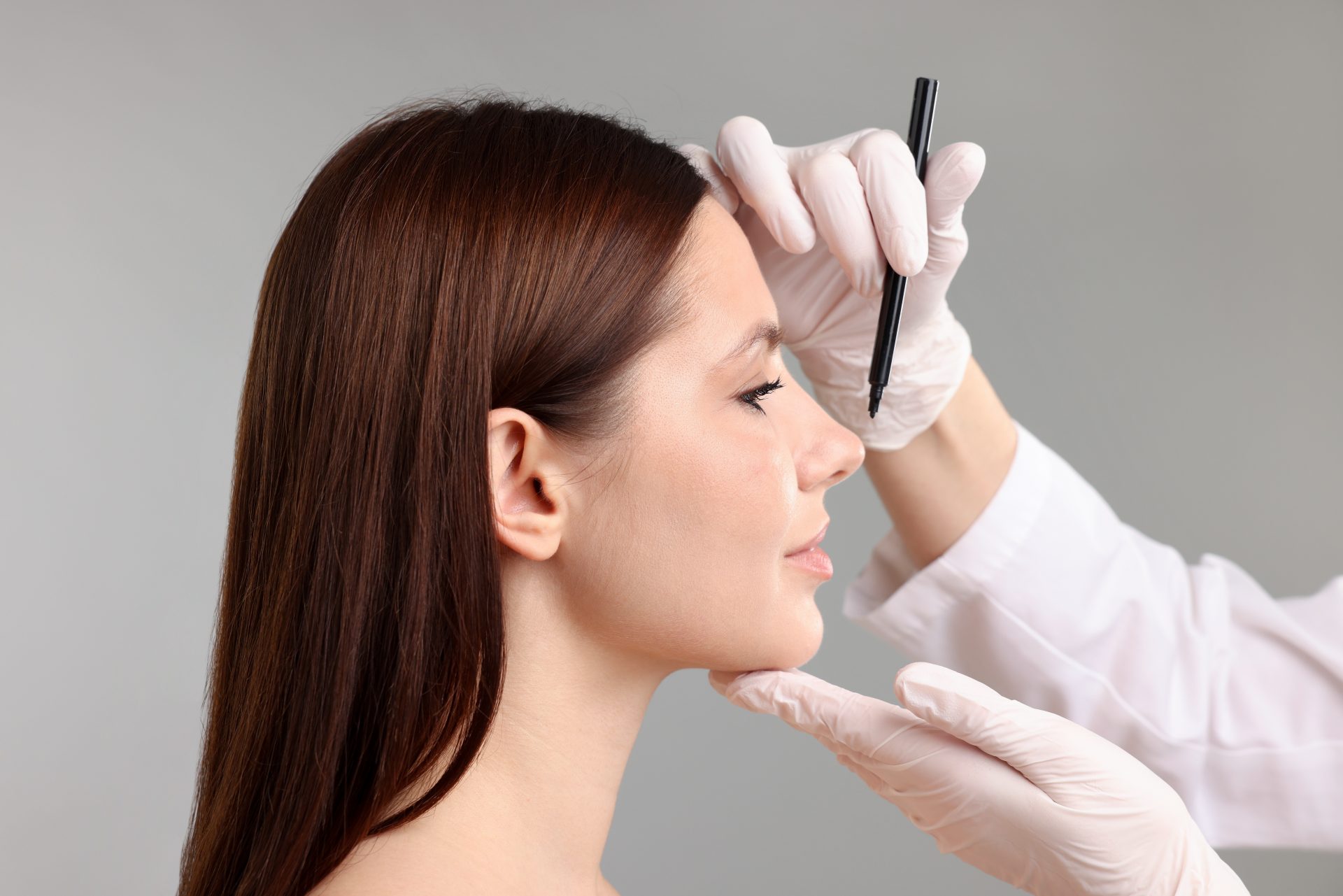
Consider these questions as you decide:
Do you want the nose smaller, or just smoother?
Is your main concern the bridge, the tip, or the nostrils?
Do you want a permanent result?
Do you also have trouble breathing?
Look for a surgeon who focuses on nose surgery. A provider who performs rhinoplasty regularly understands how small changes affect the face as a whole. Ask about the techniques offered, such as ultrasonic, open, and closed approaches. A surgeon with several options can match the method to your anatomy rather than fitting every patient into one technique.
Experience with diverse nose types matters as well. Dr. Zarrabi has a strong focus on ethnic rhinoplasty, so he understands how to reduce and refine a nose without erasing the features that make it yours. Reading patient reviews can also give you a sense of the patient experience.
No two noses are the same, so no two plans should be either. During a consultation, Dr. Zarrabi examines your nose, listens to your goals, and explains which features are driving the look you want to change. He discusses whether ultrasonic, open, or closed rhinoplasty fits you, and whether tip plasty, alarplasty, or septum correction should be part of the plan. If cartilage grafts are needed, that is discussed as well. You leave with a clear understanding of what surgery can achieve for your face. Patients traveling to Newport Beach can learn more on our out-of-state patients page.
Makeup can disguise a nose, and fillers or Botox can make subtle changes, but only rhinoplasty makes the nose physically smaller. Ultrasonic rhinoplasty, tip plasty, and wide nose surgery each target a different concern. That is the core message of how to make nose smaller: expert advice & solutions. A personalized evaluation with Dr. Zarrabi is the clearest way to learn which approach fits your goals.